Synthetic Turf vs Natural

More Time to Play

The field that's always ready.

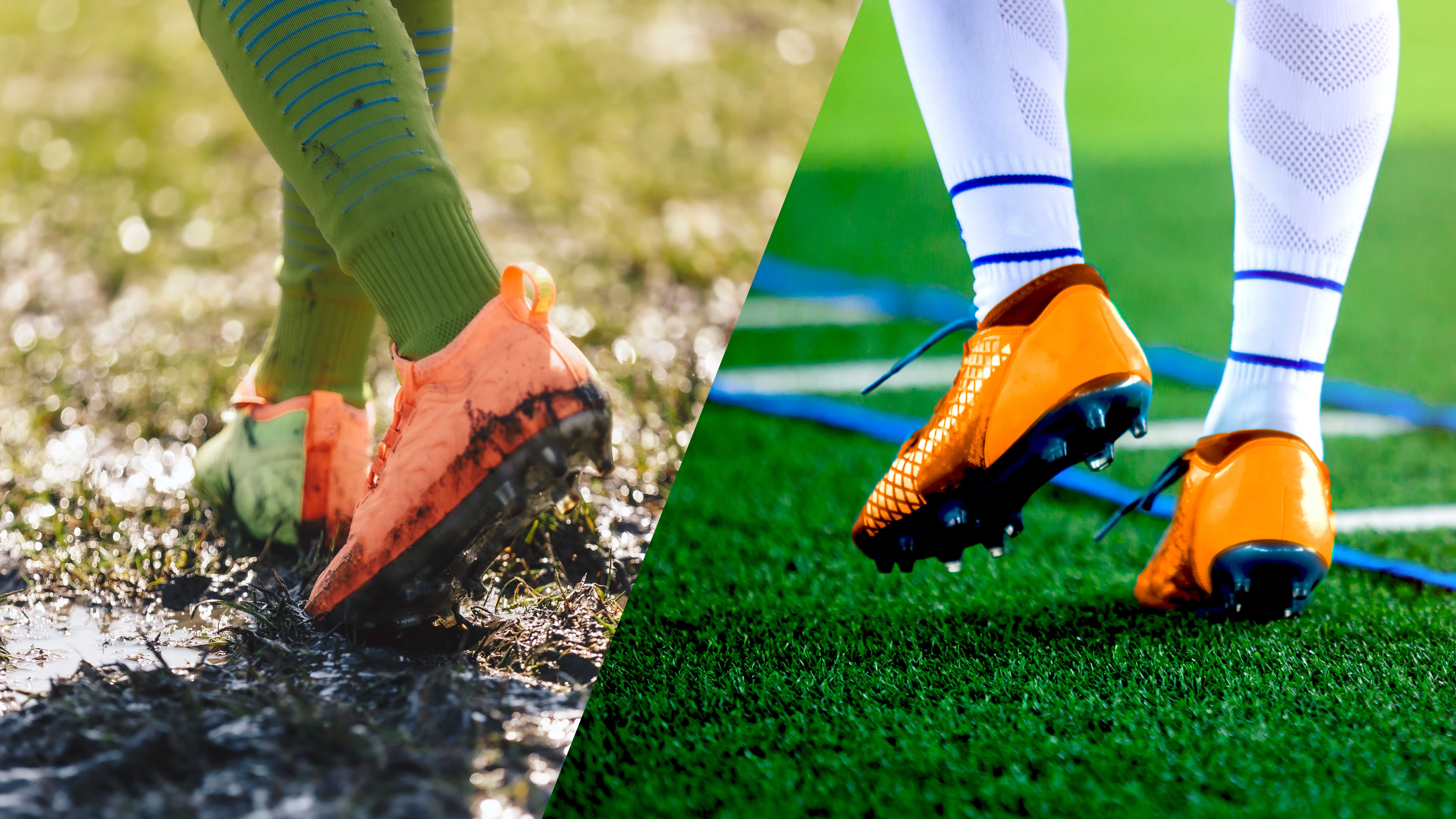
Sport happens on the surface. When that surface is unavailable — closed after rain, recovering from the last game, or simply worn out — players go home. Synthetic turf makes more play possible.

The Field That Never Closes
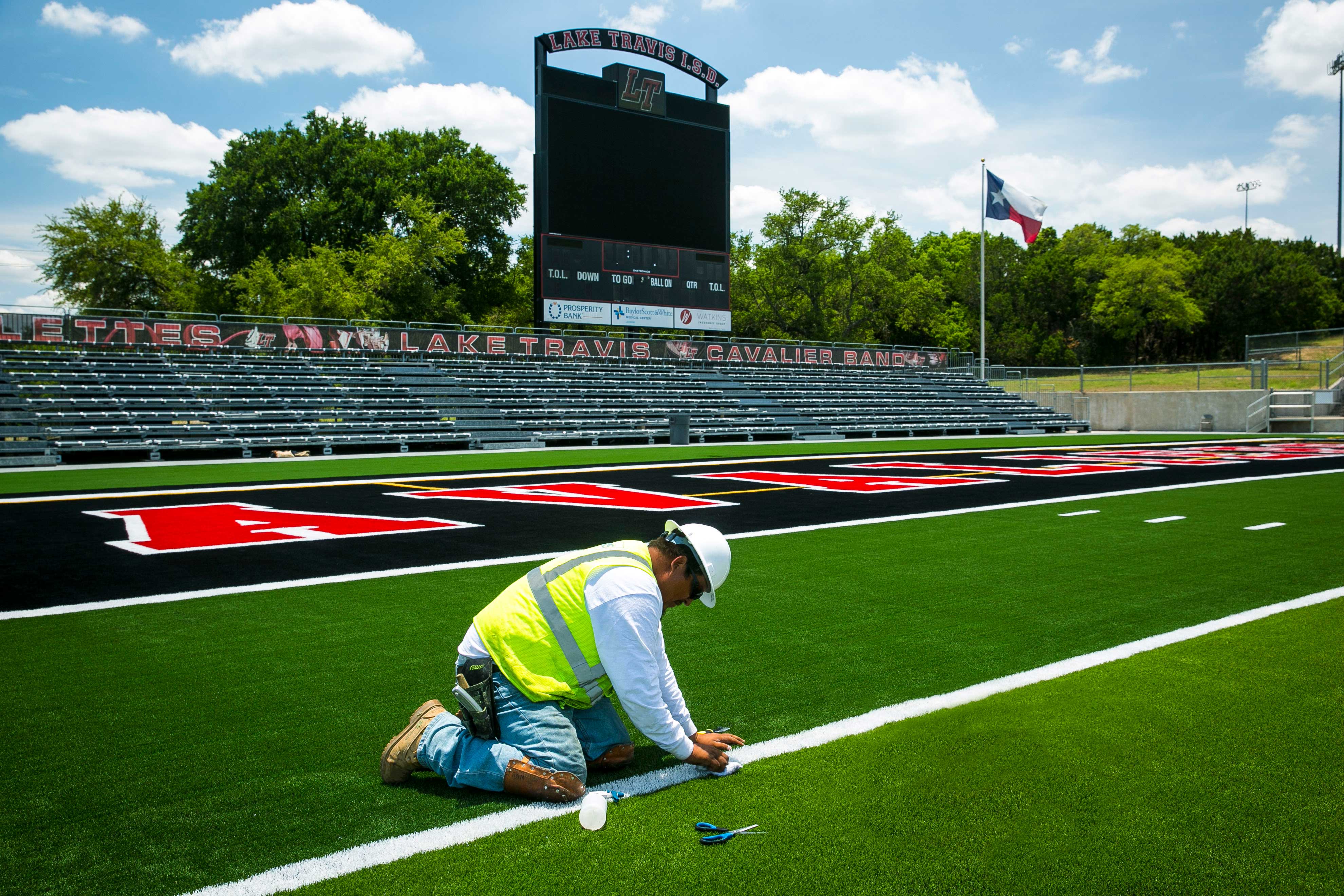
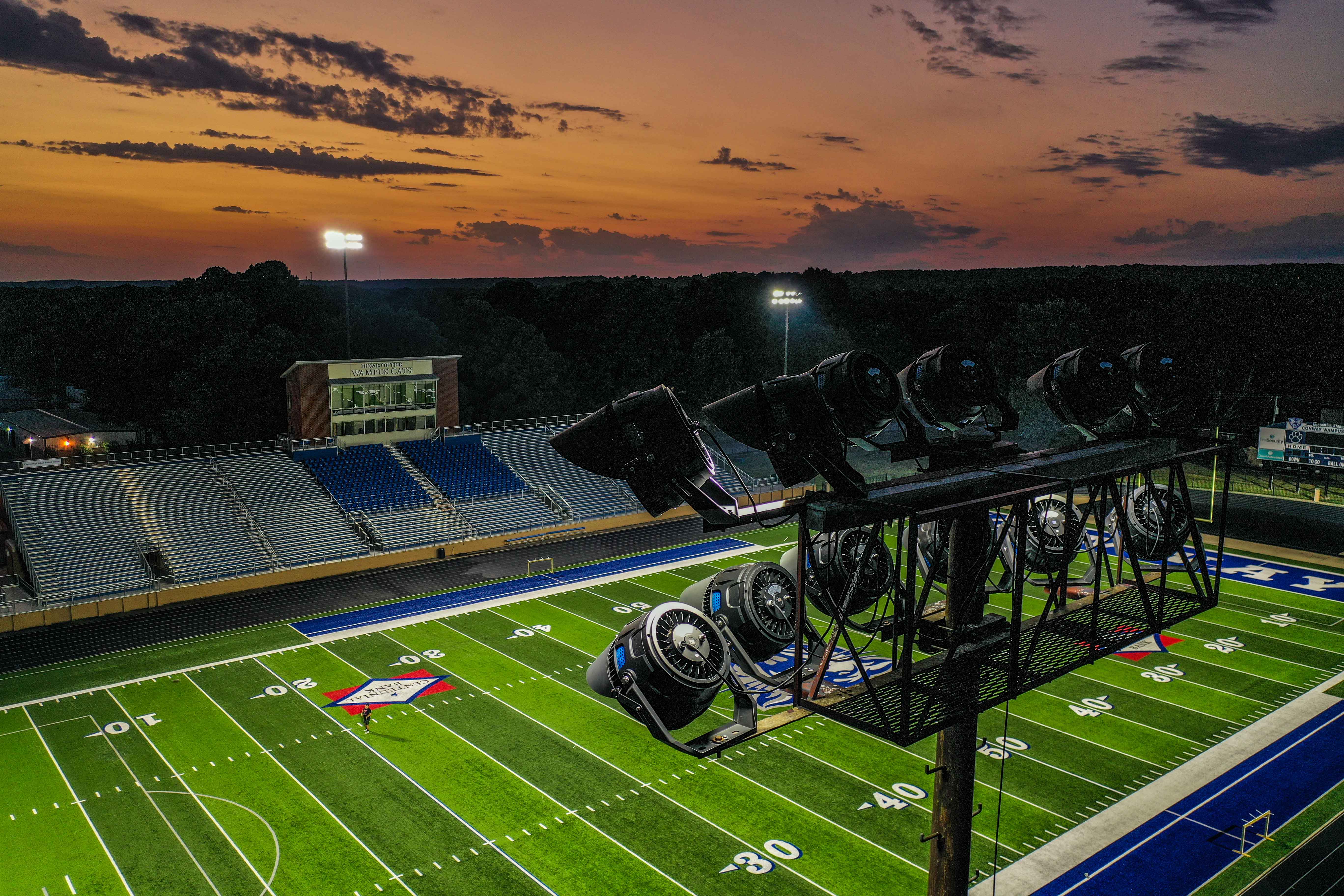
A well-constructed synthetic turf system is available year-round, in all weather, at all hours. No recovery time after events. 
Turf provides 24/7/365 accessibility with no need for post-event field recovery. That means more games scheduled, more practices completed, and more athletes — at every level — actually on the field.
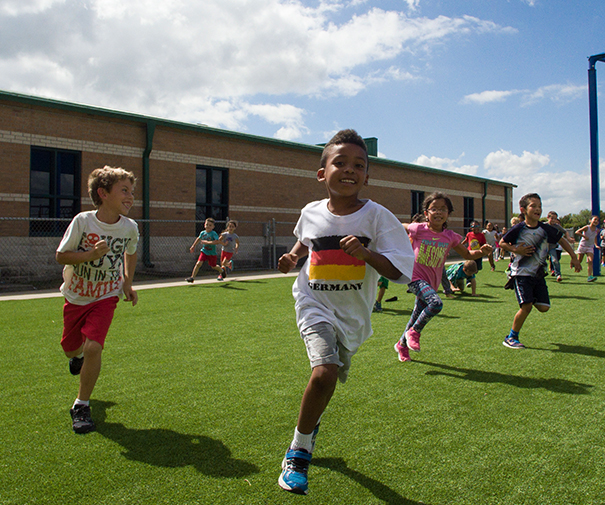
For schools, municipalities, and parks departments, more available field time means more athletes served.
Built to Perform Under Any Conditions
Natural grass needs dry conditions, recovery periods, and careful management of usage loads. Heavy rain, heavy use, or both can close a grass field for days.
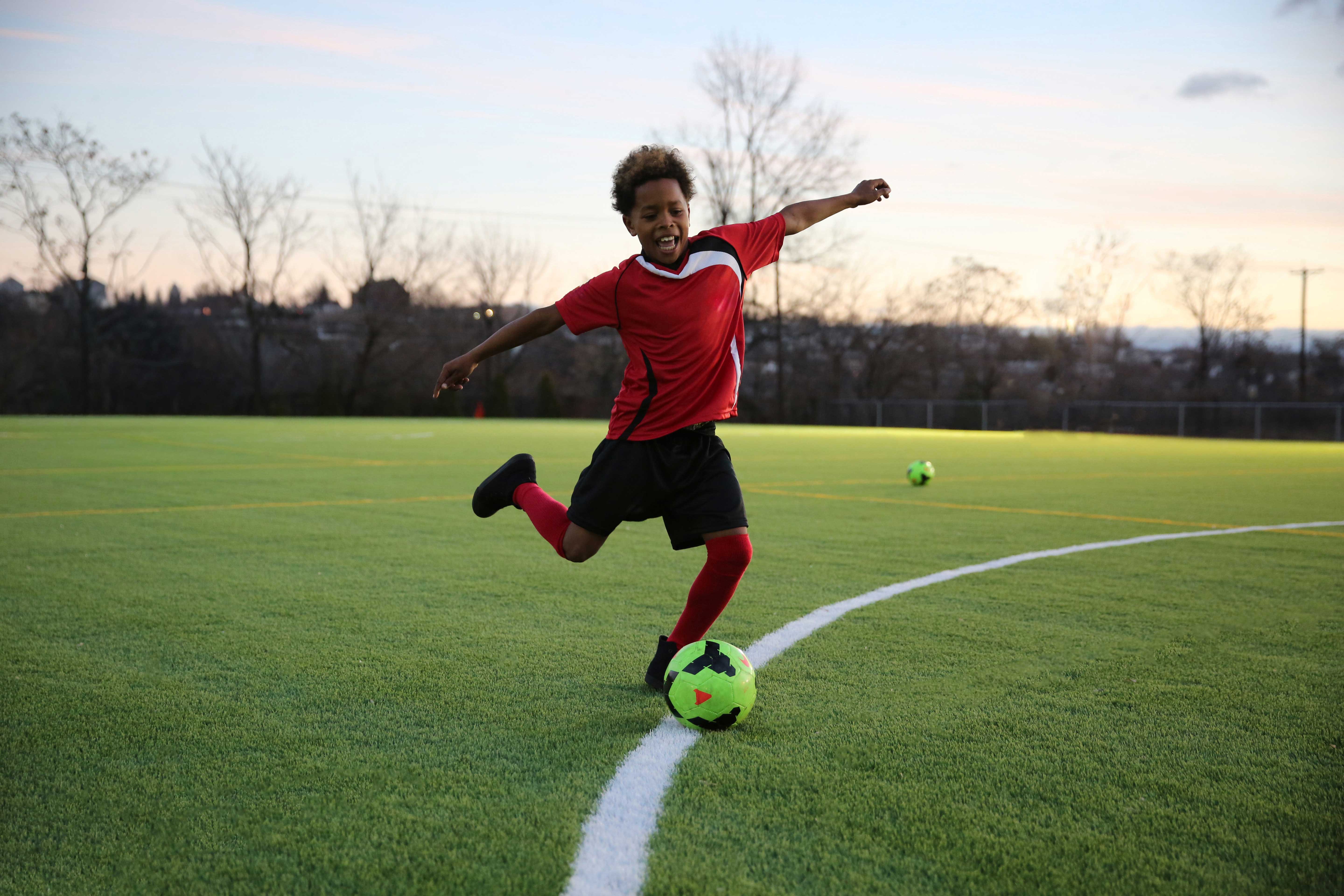
Synthetic turf systems are engineered to drain up to 10 to 20 inches of rain per hour — rainfall well beyond hurricane downpours. High-performance drainage systems allow fields to return to use quickly following heavy rainfall, helping facilities avoid unnecessary downtime and schedule disruptions.
Turf is robust, durable, and always ready.
Less Water. Fewer Chemicals.
Maintaining natural grass fields requires significant water input — particularly in the growing number of U.S. regions experiencing drought conditions. As of May 2022, 42% of the U.S. and 50% of the lower 48 states were in drought. Synthetic turf eliminates routine irrigation.
Grass field maintenance also requires seasonal applications of fertilizers, pesticides, and fungicides to stay playable. Synthetic turf requires none of these. Grass field maintenance chemicals can leach into local watersheds, negatively impacting drinking water sources and aquatic ecosystems.Synthetic turf requires none of these. This eliminates the need for chemical treatments and the associated runoff during the use phase.
No mowing means reduced emissions from maintenance equipment — another measurable reduction over the lifecycle of the facility.
Lower Costs. More Field Time.
Synthetic turf offers a more predictable maintenance profile and can support significantly more hours of use over its lifecycle. More play hours make it a smart, cost-effective investment for communities compared to natural grass.
Routine care involves brushing fibers and periodic cleaning. The result is a predictable cost structure and a surface that delivers consistent performance across its full lifecycle.
Testing to the Highest Standards
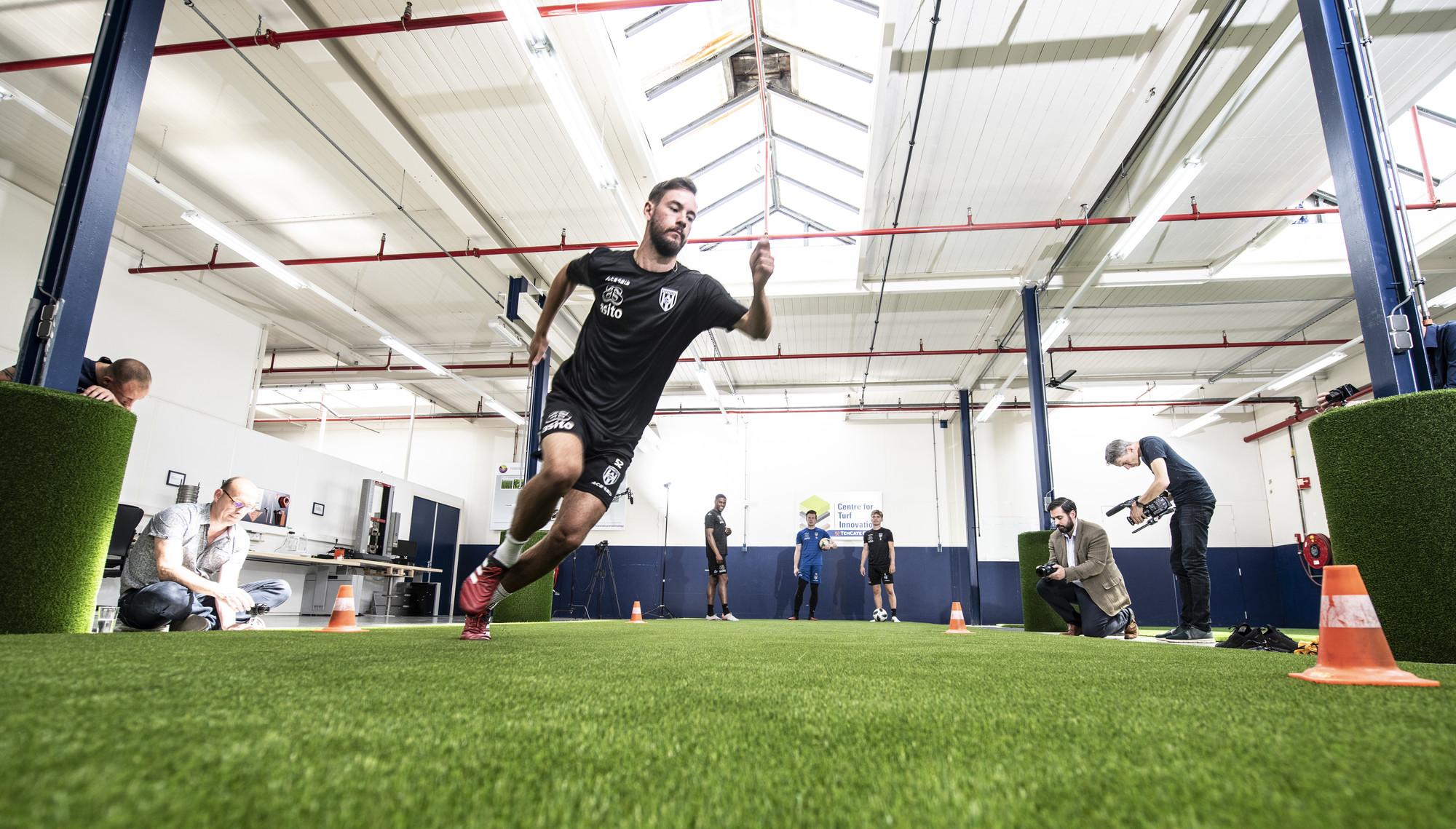
All TenCate turf systems are tested to internationally recognized standards for performance, durability, and product safety. As of October 2023, TenCate completely removed PFAS from its manufacturing process. That commitment applies across the full synthetic turf product line — not selectively. TenCate turf meets California Prop 65 and international toy safety standards, including EN71-3 and ASTM F963 — the same standards used to ensure the safety of children's toys.
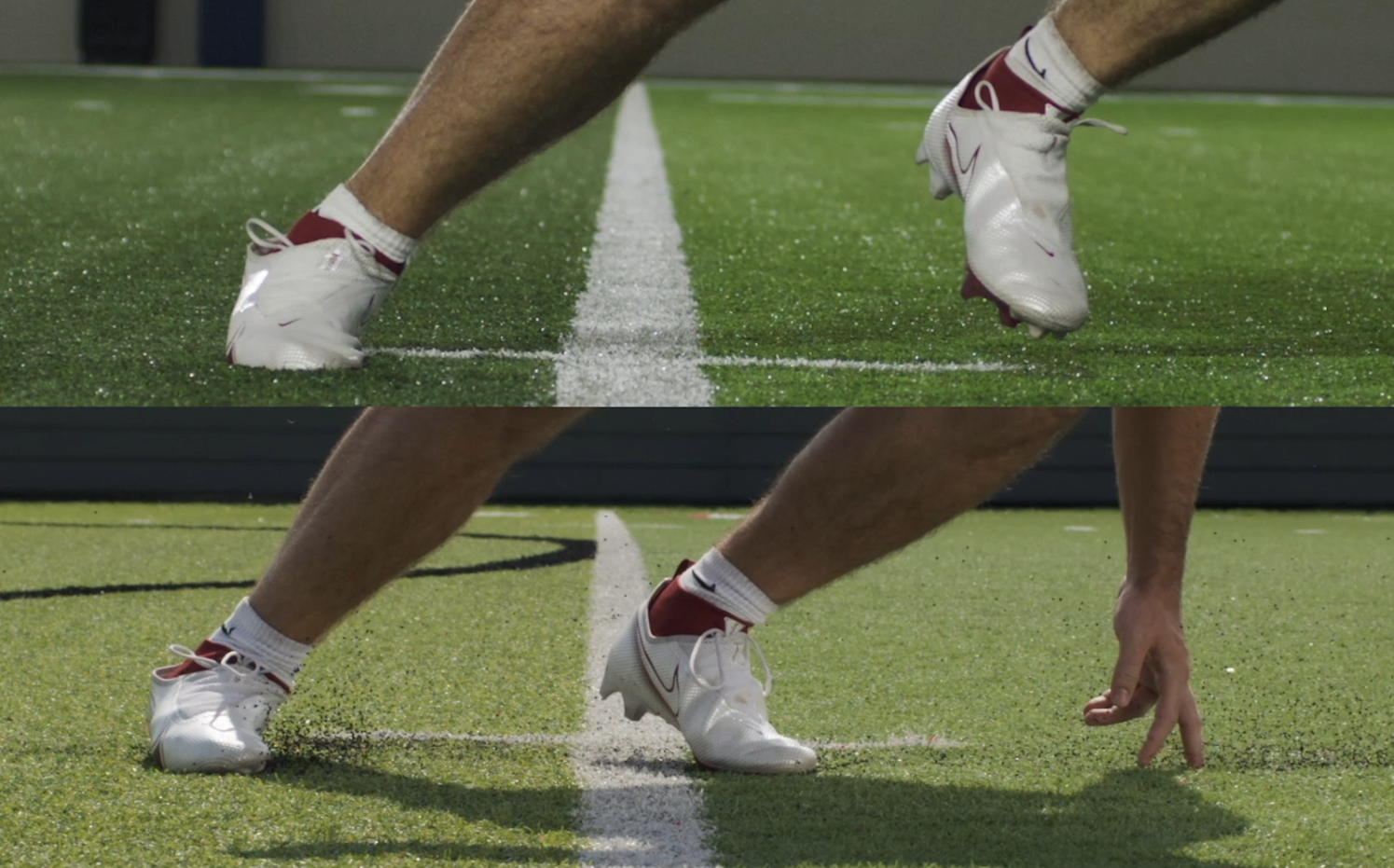
Extensive research by the NFL, NCAA, and academic institutions has found no statistical difference in overall injury rates between turf and well-maintained grass. A 2024 study found that the incidence of concussions on artificial turf is lower and less severe than on natural grass.
All TenCate synthetic turf products comply with California and EU regulatory standards — among the most stringent in the world.